
jo boaler mathematical mindsets pdf
Download Jo Boaler’s free PDF on Mathematical Mindsets and discover how to spark curiosity, resilience, and growth in every math learner.
Download Jo Boaler’s free PDF on Mathematical Mindsets and discover how to spark curiosity, resilience, and growth in every math learner.
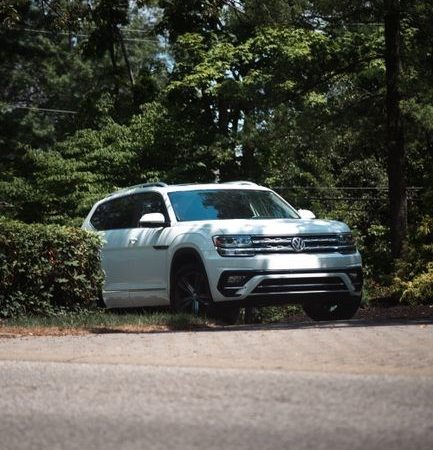
Volkswagen maintenance PDFs outline mileage and time intervals for oil changes, filter swaps, and safety checks, ensuring your sedan or SUV stays reliable. Download the guide to plan services, book appointments, and keep warranty intact and stay compliant with VW guide.

A maintenance schedule is a structured plan that Volkswagen provides to owners, detailing when routine checks, fluid changes, and component replacements should occur. It is typically presented as a PDF that lists mileage thresholds and calendar dates for tasks such as oil and filter changes, brake inspections, tire rotations, and fluid top‑ups. The schedule helps drivers keep their vehicles in optimal condition, avoid costly repairs, and maintain warranty coverage. By following the documented intervals, owners can track their vehicle’s health, schedule service appointments at authorized dealers, and ensure compliance with Volkswagen’s recommended care standards.
The schedule is derived from Volkswagen’s engineering data and field service reports, ensuring that each component receives attention at the optimal time to prevent wear or failure. It typically lists tasks such as oil changes, filter replacements, brake pad inspections, tire rotations, coolant checks, and software updates. Owners can consult the PDF to understand which items are mandatory for warranty compliance and which are optional for extended longevity. By adhering to the documented intervals, drivers reduce the risk of unexpected breakdowns and preserve the vehicle’s mechanical integrity.
Owners use the PDF to trackservices historyplan in visits!
PDFs offer a universal, device‑agnostic format that preserves layout, fonts, and images across operating systems, ensuring every owner sees the same table of intervals and notes. They are lightweight, easily downloadable from Volkswagen’s official site, and can be printed or stored on smartphones for quick reference. Because PDFs are read‑only, the schedule remains unaltered, preventing accidental edits that might mislead service timing. The format supports embedded hyperlinks to dealer locations, service booking portals, and downloadable updates when software revisions occur. Additionally, PDF files can be secured with passwords or digital signatures, guaranteeing authenticity and protecting against counterfeit documents. For fleet managers and individual owners alike, the consistent structure simplifies data extraction, comparison, and integration into maintenance tracking apps. Overall, PDFs combine accessibility, security, and fidelity, making them the ideal medium for Volkswagen’s maintenance guidance.
Owners can annotate the PDF with service notes, mileage logs, and warranty claims, creating a maintenance record that complements the official schedule. When a new software update is released, Volkswagen issues a revised PDF that incorporates revised intervals and diagnostic codes, ensuring the vehicle’s electronic systems remain calibrated for optimal performance and keep neat
Volkswagen’s own digital library is the primary hub for authentic maintenance schedules. By visiting the official Volkswagen.com site, users can navigate to the “Owner’s Resources” section, where a searchable database lists PDFs for every model year and trim. The platform allows filtering by vehicle identification number (VIN) to retrieve a schedule that reflects the exact options, engine type, and software version installed at the time of purchase. For dealers, the Volkswagen Dealer Portal provides a secure login that grants access to the latest service bulletins, revision notes, and downloadable PDFs that incorporate recent updates from the manufacturer. Many regional websites, such as Volkswagen of Alamo Heights, host a dedicated “Service & Maintenance” page where customers can download the PDF directly or request a printed copy. Additionally, the VW Group Digital Service Center offers a global repository of maintenance documents, including those for electrified models like the e‑Golf and ID.4. When a new software version is released, Volkswagen publishes a revision notice that links to the updated PDF, ensuring owners always have the most current information. By relying on these channels, owners guarantee maintenance schedule they follow is accurate legally compliant and aligned with warranty requirements.

Each PDF starts with model, year, VIN, revision date, then a table of contents and a mileage‑time service table. Key columns list items, intervals, and parts. Appendices cover safety bulletins and warranty notes. The PDF also lists oil types and filter specs full!

Volkswagen’s official maintenance PDFs detail a clear cadence for both mileage‑based and calendar‑based checks. The first minor service is scheduled at the earlier of 10 000 miles or 12 months after delivery, with subsequent oil and filter changes every 10 000 miles (or 12 months, whichever comes first). Brake fluid is refreshed every 24 000 miles or 24 months. Tire rotation follows the same 10 000‑mile rhythm, while the air filter is inspected at 15 000 miles or 18 months. Timing‑belt replacements, where applicable, occur at 100 000 miles or 100 months. All intervals are listed in a tabular format, with columns for mileage, time, component, and recommended part numbers. The PDF also flags optional services—such as cabin‑air filter changes or coolant flushes—highlighting their benefits and suggesting intervals of 30 000 miles or 30 months. Additionally, the PDF indicates software update windows, recommending a dealer visit every 12 months to download the latest ECU calibration, which can affect fuel economy and emissions. The document is revised annually, ensuring that any changes in emissions regulations or component suppliers are reflected. Owners can print the PDF and mark completed services, creating a personal log that complements the dealer’s record. By adhering to these intervals, owners maintain optimal engine performance, preserve warranty coverage, and extend vehicle longevity, while safeguarding resale value through verifiable service history. etc.
Volkswagen’s maintenance PDF enumerates vehicle systems that require periodic attention to sustain performance, safety, and reliability. The engine block is inspected for oil level, viscosity, and filter integrity. Transmission health is monitored through fluid level checks, with a separate table for manual and automatic gearboxes, indicating when to replace fluid and filter to prevent slippage or overheating. The cooling system is covered via coolant level and condition checks, radiator flush intervals, and thermostat replacement guidance. Brake system maintenance is highlighted, listing front and rear rotor thickness, pad wear limits, and brake fluid replacement intervals to ensure stopping power and avoid ABS malfunctions. Suspension components, such as shock absorbers, struts, and bushings, are addressed with wear thresholds and replacement schedules. Steering system checks include power steering fluid levels, pump integrity, tie‑rod wear. Electrical components are addressed through battery health monitoring, alternator output checks, key fob replacement guidelines. Tire health is monitored through tread depth, pressure, alignment, with a rotation schedule. Finally, the exhaust system, including catalytic converter efficiency and muffler integrity, is listed with inspection points to detect leaks or performance loss. Each component is paired with a service interval, part number, supplier, allowing owners to plan maintenance actions and keep their Volkswagen compliant with manufacturer standards. Additionally, the schedule includes health checks and key fob replacement guidelines. The schedule lists intervals for the steering system; The schedule recommends battery replacement.
Volkswagen’s maintenance PDF clearly distinguishes between services that are required to keep the vehicle compliant with warranty and those that enhance longevity but are not strictly enforced. Mandatory services include oil and filter changes, brake fluid replacement, tire rotation, and emission control checks, all tied to specific mileage or time intervals. These are listed in bold and flagged with a “✓” to signal their critical nature. Optional services, such as cabin air filter replacement, transmission fluid change for certain models, or engine coolant flush, are marked with a “?” and are recommended based on driving conditions and manufacturer guidance. The PDF also notes that optional items may be required by the dealer to qualify for extended warranty coverage in some regions. Owners can use the table to decide whether to schedule an optional service during a mandatory visit, thereby reducing downtime. The distinction helps drivers prioritize spending while maintaining the vehicle’s safety and performance. By following the mandatory schedule, owners preserve warranty eligibility, whereas optional services can extend component life and improve fuel efficiency. The PDF includes a column for “Recommended” that indicates when an optional service is advisable, based on mileage thresholds or seasonal usage. This structured approach ensures that every maintenance decision is informed and aligned with Volkswagen’s quality standards. Crucial; Essential!

Volkswagen’s maintenance PDF separates each model line into its own table, reflecting differences in engine size, drivetrain, and usage patterns. The Golf, a compact front‑engine, front‑wheel‑drive car, calls for a 10,000‑mile oil change and a 15,000‑mile tire rotation, whereas the larger Passat, often equipped with a 2.0‑liter turbo or a 2.5‑liter diesel, shifts those intervals to 12,500 miles for oil and 20,000 miles for tire rotation. The SUV‑style Tiguan, with all‑wheel drive, extends the oil‑change interval to 15,000 miles and adds a transmission fluid check at 30,000 miles. Brake‑fluid replacement remains at 30,000 miles across all models, but the Passat’s brakes need a 20,000‑mile inspection for wear indicators. Each model’s table includes a “Special Notes” column that highlights unique requirements: the Golf’s front‑wheel‑drive layout necessitates a differential fluid check at 40,000 miles, whereas the Tiguan’s all‑wheel‑drive system requires a 20,000‑mile differential service. The tables also note filter changes every 15,000 miles for the Golf, 20,000 for the Passat, and 25,000 for the Tiguan. By consulting the model‑specific section, owners can tailor their maintenance schedule to the exact demands of their vehicle, ensuring optimal performance, safety, and longevity while staying compliant with Volkswagen’s warranty conditions
Volkswagen’s electrified models follow a distinct maintenance regime that prioritizes battery health, software updates, and lightweight component checks over traditional oil changes. The e‑Golf’s PDF recommends a 10,000‑mile battery‑coolant replacement, a 15,000‑mile tire‑rotation, and a 30,000‑mile brake‑fluid change, while the ID.4’s schedule extends the battery‑coolant interval to 20,000 miles and adds a 25,000‑mile software diagnostic to capture the latest firmware for optimal range. Both vehicles share a 12,000‑mile cabin‑air‑filter replacement and a 30,000‑mile wheel‑alignment check, but the ID.4’s all‑wheel‑drive layout requires a 20,000‑mile differential‑fluid service, a step omitted from the e‑Golf. The PDFs also detail a 5,000‑mile “software‑update” checkpoint for the e‑Golf, ensuring the vehicle’s infotainment and battery‑management systems remain current. For the ID.4, a 10,000‑mile “software‑update” is mandatory, with optional updates at 20,000 miles to unlock new performance modes. Battery‑management diagnostics are scheduled every 15,000 miles for both models, and a 30,000‑mile “battery‑health” inspection is required to verify cell integrity and cooling‑system pressure. These adjustments reflect Volkswagen’s commitment to extending electric‑vehicle longevity while maintaining safety and performance standards. Additionally, the PDFs advise a 25,000‑mile “wheel‑hub” inspection for the ID;4 to monitor hub‑bearing wear, a feature not present in the e‑Golf. The e‑Golf’s lighter weight and smaller battery pack mean its maintenance sheet is more concise, focusing on battery‑coolant, tire rotation, and software updates, whereas the ID.4’s larger battery and AWD system require more frequent fluid checks and alignment services. By adhering to these tailored intervals, maximize battery lifespan, maintain charging efficiency, and preserve the vehicle’s resale appeal for records.!!

Use the PDF to track mileage, note service dates, and schedule appointments. Record each service in a log, compare with the table, and keep receipts. Follow the recommended intervals to protect warranty and resale value. Keep a digital copy for quick reference; now.!!!
Each Volkswagen maintenance PDF presents a grid where rows list component names and columns show mileage or time thresholds. The first column typically lists “Service Item,” the second “Interval (miles),” and the third “Interval (months).” For example, the 2022 schedule shows the first minor service at 10,000 miles or 12 months. When reading the table, locate the row for the part you need—oil filter, brake fluid, tire rotation, etc.—and note both mileage and time columns. If your vehicle has driven 9,500 miles and 10 months since delivery, oil filter is within interval, next service is due in 500 miles or 2 months, whichever comes first. The table also distinguishes between mandatory and optional services. Mandatory items are bolded or marked with an asterisk, ensuring you never miss critical safety checks. Optional items, such as cabin air filter replacement, are listed in a separate section or shaded differently. For electrified models, the table includes battery health checks at 20,000 miles and software updates at 12 months. Always cross‑reference the “Notes” column for specific conditions—e.g., high‑altitude vehicles may require an earlier coolant change. Finally, keep a printed copy in your glove compartment and update it whenever you complete a service, noting the date and mileage. This practice turns the static table into a dynamic log that protects warranty and resale value now!!
Keeping a meticulous mileage log is essential for aligning your vehicle with the official Volkswagen maintenance PDF. Start by recording the odometer reading at every service appointment—whether performed by a dealer or a trusted independent shop. Use a dedicated notebook, a spreadsheet, or a mobile app that syncs with your vehicle’s telematics. Note the service date, mileage, and the specific items replaced or inspected. For example, after an oil change at 12,000 miles, enter “Oil change – 12,000 mi – 03/15/2026;” This practice allows you to quickly reference the next interval, as the PDF lists both mileage and time thresholds. Many owners create a two‑column table: one column for cumulative mileage, the other for cumulative months since delivery. When the mileage column approaches the next scheduled interval, the table alerts you to schedule the service. Additionally, store digital copies of receipts and service reports in a cloud folder, labeling each file with the date and mileage. This audit trail proves you followed the manufacturer’s recommendations. Finally, set calendar reminders for due dates and cross‑check them against the PDF’s “Optional vs Mandatory” section to avoid missing urgent maintenance !.
When your Volkswagen reaches a maintenance interval in the PDF, book a service at an authorized dealer to ensure OEM standards. Locate a dealer through the Volkswagen website or app. Contact the service department by phone or online portal, providing your VIN and mileage. The dealer confirms required parts—OEM—and schedules a time. Request a written estimate before the appointment, detailing labor hours, part costs, and optional services from the PDF’s optional category. During the visit, the technician logs the service in the vehicle’s electronic record, ensuring future owners can trace maintenance history. After completion, the dealer sends a digital service report to your email and updates the online portal, letting you verify that the work matches PDF’s mandatory checklist. Regularly booking through authorized dealers preserves warranty coverage and can boost resale value by showing adherence to the manufacturer’s schedule

Volkswagen maintenance PDFs provide a detailed roadmap for keeping your vehicle in optimal condition. They outline specific mileage and time intervals for oil changes, filter replacements, brake inspections, and other critical checks. By following the schedule, you avoid costly repairs and maintain warranty coverage. The PDF also lists optional services that can extend component life, such as tire rotations or coolant flushes. When a warning light appears, consult the PDF first; it often specifies the exact service needed, saving you time and money. The schedule is organized by model, so whether you own a Golf, Passat, Tiguan, or an electrified ID.4, you can find the exact intervals for each part. For hybrids, the PDF notes battery and inverter maintenance, ensuring you’re aware of any special checks. The document also highlights critical safety items like timing belt replacement and air filter changes. By keeping a printed copy in your glove compartment, you can quickly reference the schedule during unexpected maintenance needs. If you’re ever uncertain, reach out to your dealer’s service manager; they can interpret the PDF’s details and advise on the best course of action. Consistently updating your records and scheduling services promptly will keep your Volkswagen reliable, safe, and valuable for years. Stay proactive, stay safe. Keep records. Stay safe.

Volkswagen’s maintenance schedule PDFs are living documents that evolve with each software update. When a new ECU or infotainment firmware is released, the manufacturer revises service intervals, diagnostic codes, and recommended sensor calibrations. Dealers receive the updated PDF through the official VW Dealer Portal, where a digital signature confirms authenticity. Owners can download the latest version from the VW website or request a hard copy during a scheduled service. It is essential to compare the new PDF against the one you currently use; differences may include altered oil change intervals, revised tire pressure monitoring thresholds, or added battery health checks for electrified models. To keep your records accurate, replace the old file in the vehicle’s maintenance log and update any electronic tracking apps you use. If you rely on a paper copy, print the new PDF in high resolution and store it in the glove compartment. For those who use cloud‑based maintenance trackers, upload the updated PDF and re‑import the service table so future reminders reflect the current schedule. Finally, inform your service advisor of the change; they can adjust the service plan accordingly and ensure all software diagnostics run against the latest data. Staying current with the PDF guarantees that every component receives the correct maintenance, preserving warranty coverage and vehicle performance. Regular updates also refine calibration data for adaptive cruise control and lane‑keeping assistance. Ensuresafety
Adhering strictly to the Volkswagen maintenance PDF delivers a dual advantage: it preserves the warranty integrity and boosts resale value. When every oil change, filter swap, and safety inspection aligns with the prescribed mileage or time intervals, the dealer can verify that no component was neglected, which speeds up warranty claims and eliminates disputes over “unapproved” repairs. A detailed, up‑to‑date service log also satisfies certified pre‑owned programs that demand proof of adherence to the original schedule; vehicles that meet this criterion qualify for premium warranties and lower depreciation. Buyers reviewing a car’s history see a clean, documented record, often translating into a higher asking price and a smoother appraisal. Regular maintenance reduces the likelihood of costly breakdowns, keeping the vehicle in better mechanical condition and extending its useful life. By following the PDF, owners also protect critical systems such as the transmission, brakes, and electronic control units—components that heavily influence long‑term reliability and resale appeal. In short, the schedule is not merely a checklist; it is a strategic tool that safeguards the manufacturer’s warranty, protects the owner’s investment, and maximizes the vehicle’s market value over time.!!!!!!!!!!??

Insurance companies often reward well‑maintained vehicles with lower premiums, and technicians can reference the exact intervals, reducing labor time. A pristine schedule signals responsible ownership, a key factor for buyers of certified pre‑owned or used models. This documentation aids warranties!!!?